Find Low Competition Keywords for Free: A Step-by-Step Guide to SEO Success
Are you tired of throwing darts in the dark, trying to find the perfect keywords for your website or blog? Look no further. In this comprehensive guide, we'll walk you through the process of finding low competition keywords without breaking the bank. You'll learn how to identify profitable keywords, analyze your competition, and optimize your content for search engine success. By the end of this tutorial, you'll be equipped with the knowledge and tools to find low competition keywords for free and take your online presence to the next level.
Step 1: Brainstorm Seed Keywords with Low Competition
To get started, you'll need to brainstorm a list of seed keywords related to your niche or topic. These keywords should be relevant to your content and have low competition. Use your intuition and think about what your target audience might be searching for. For example, if you're a fitness blogger, your seed keywords might include "low competition fitness keywords," "free workout routines," or "home exercise plans." Make sure to keep your keywords specific and long-tail, as these tend to have lower competition and higher conversion rates. 
Step 2: Use Free Online Tools to Find Low Competition Keywords
Once you have your seed keywords, it's time to use free online tools to find low competition keywords. One of the best tools for this is Google Keyword Planner. Although it's primarily designed for paid advertising, it can also be used to find organic keywords with low competition. Simply enter your seed keyword, and Google will provide you with a list of related keywords, along with their search volume and competition level. Another great tool is Ubersuggest, which offers a free version with limited features. Ubersuggest provides a wealth of information on keyword suggestions, content ideas, and competitor analysis. 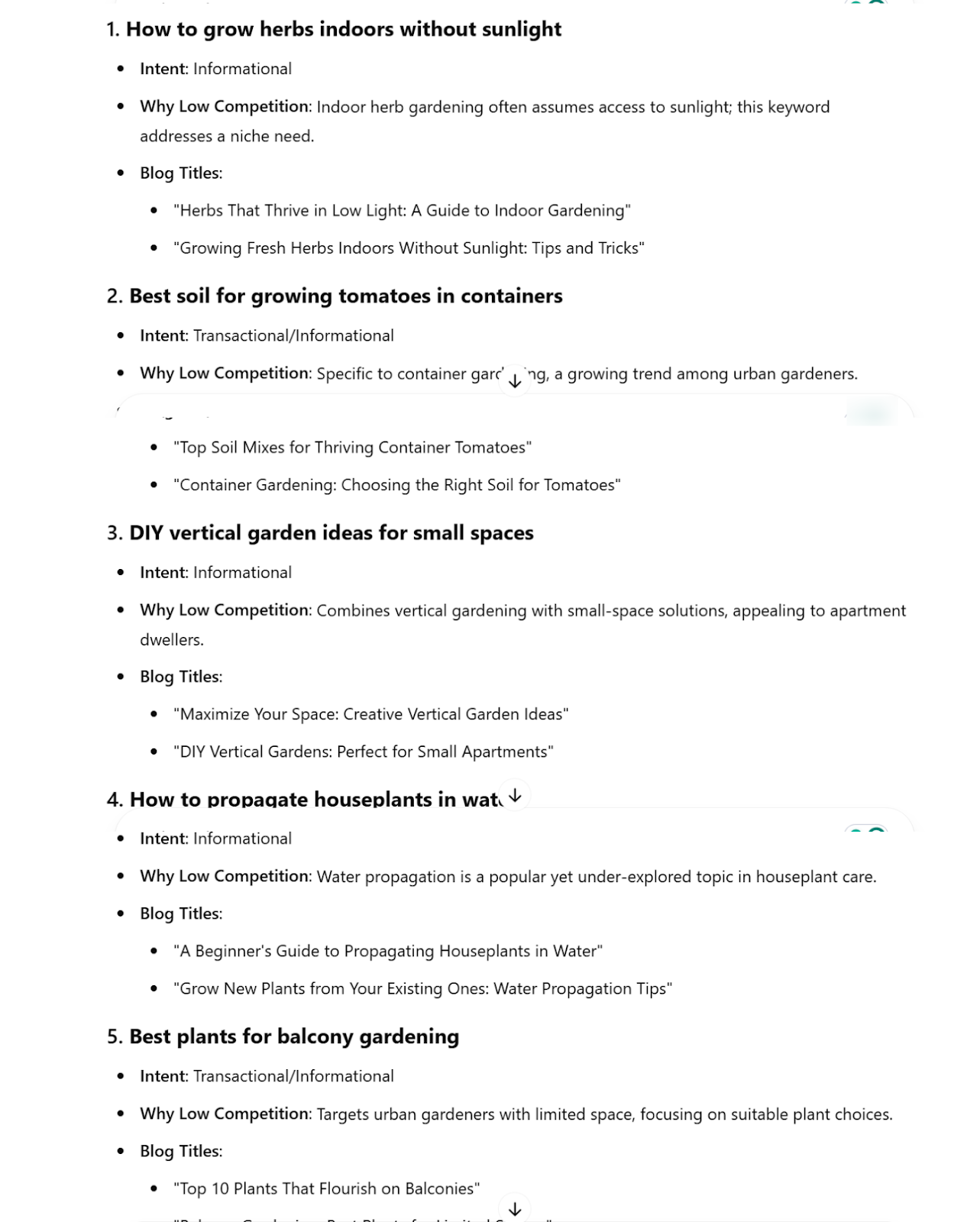
Step 3: Analyze Keyword Competition with Free SEO Tools
Now that you have a list of potential low competition keywords, it's time to analyze the competition. You can use free SEO tools like Moz Keyword Explorer or SEMrush to get an idea of the competition level for each keyword. These tools will provide you with metrics such as keyword difficulty, search volume, and competitor analysis. You can also use Google Search to manually analyze the competition. Simply enter your keyword and look at the top 10 results. If the top results are from authority sites like Wikipedia or big brands, it may be more challenging to rank for that keyword. On the other hand, if the top results are from smaller sites or blogs, you may have a better chance of ranking with high-quality content.
Step 4: Refine Your Keywords with Long-Tail Variations
Long-tail keywords are more specific phrases that have lower competition and higher conversion rates. For example, instead of targeting the keyword "fitness," you could target "fitness for beginners" or "home workout routines for women." These long-tail keywords are less competitive and more targeted to your content, making it easier to rank and attract relevant traffic. Use tools like Google Keyword Planner or Ubersuggest to find long-tail variations of your seed keywords. You can also use keyword clustering to group related keywords and identify patterns and topics.
Step 5: Optimize Your Content for Low Competition Keywords
Now that you have your low competition keywords, it's time to optimize your content. Make sure to include your target keyword in the title, meta description, and headings of your page. Use a keyword density of 1-2% to avoid keyword stuffing and ensure your content reads naturally. You should also use related keywords and synonyms to add context and depth to your content. Finally, make sure your content is high-quality, engaging, and provides value to your readers. This will help you rank higher in search engines and attract more traffic to your site.
Step 6: Track Your Progress and Refine Your Strategy
Finally, it's essential to track your progress and refine your strategy over time. Use tools like Google Analytics to monitor your website traffic and track your keyword rankings. You can also use A/B testing to experiment with different keywords and content variations. By continually refining your strategy and adjusting to changes in the search landscape, you can stay ahead of the competition and achieve long-term SEO success.
Frequently Asked Questions
Q: What are low competition keywords, and why are they important for SEO?
A: Low competition keywords are phrases with fewer competing pages, making it easier to rank and attract traffic. They're essential for SEO because they provide a higher chance of ranking and driving conversions.
Q: Can I use paid tools to find low competition keywords?
A: Yes, paid tools like Ahrefs and SEMrush can provide more comprehensive data and features to find low competition keywords. However, free tools like Google Keyword Planner and Ubersuggest can also be effective.
Q: How often should I update my keyword strategy?
A: You should regularly review and update your keyword strategy to reflect changes in the search landscape and your target audience. This will help you stay ahead of the competition and achieve long-term SEO success.
How To Find Low Competition Keywords That Actually Drive Results

How to Find Low Competition Keywords That Actually Drive Results
How To Find Low Competition Keywords That Drive Conversions

How to Find Low Competition Keywords that Drive Conversions
How To Find Low-competition Keywords With Google Search | Zapier

How to find low-competition keywords with Google Search | Zapier