Optimizing Blog Post Length: A Step-by-Step Guide to Finding the Ideal Word Count
When it comes to creating engaging and effective blog posts, one of the most common questions bloggers face is: how long should a blog post be? The answer depends on various factors, including your goals, audience, and search engine optimization (SEO) strategies. In this tutorial, you'll learn how to determine the ideal blog post length for your specific needs, and how to optimize your content to achieve better search engine rankings and higher reader engagement. By the end of this guide, you'll be able to create blog posts that resonate with your audience and help you achieve your online marketing objectives.
Step 1: Define Your Blog Post Goals and Target Audience to Determine Ideal Length
The first step in determining the ideal blog post length is to define your goals and identify your target audience. What do you want to achieve with your blog post? Are you trying to increase brand awareness, generate leads, or drive sales? Who are your readers, and what are their pain points? Understanding your audience's needs and preferences will help you create content that resonates with them and keeps them engaged. For example, if you're writing a blog post on a technical topic, your audience may prefer in-depth, lengthy content that provides detailed explanations and examples. On the other hand, if you're writing a blog post on a lightweight topic, such as a product review, your audience may prefer shorter, more concise content.
Step 2: Research Your Competition and Analyze Their Blog Post Length Strategies
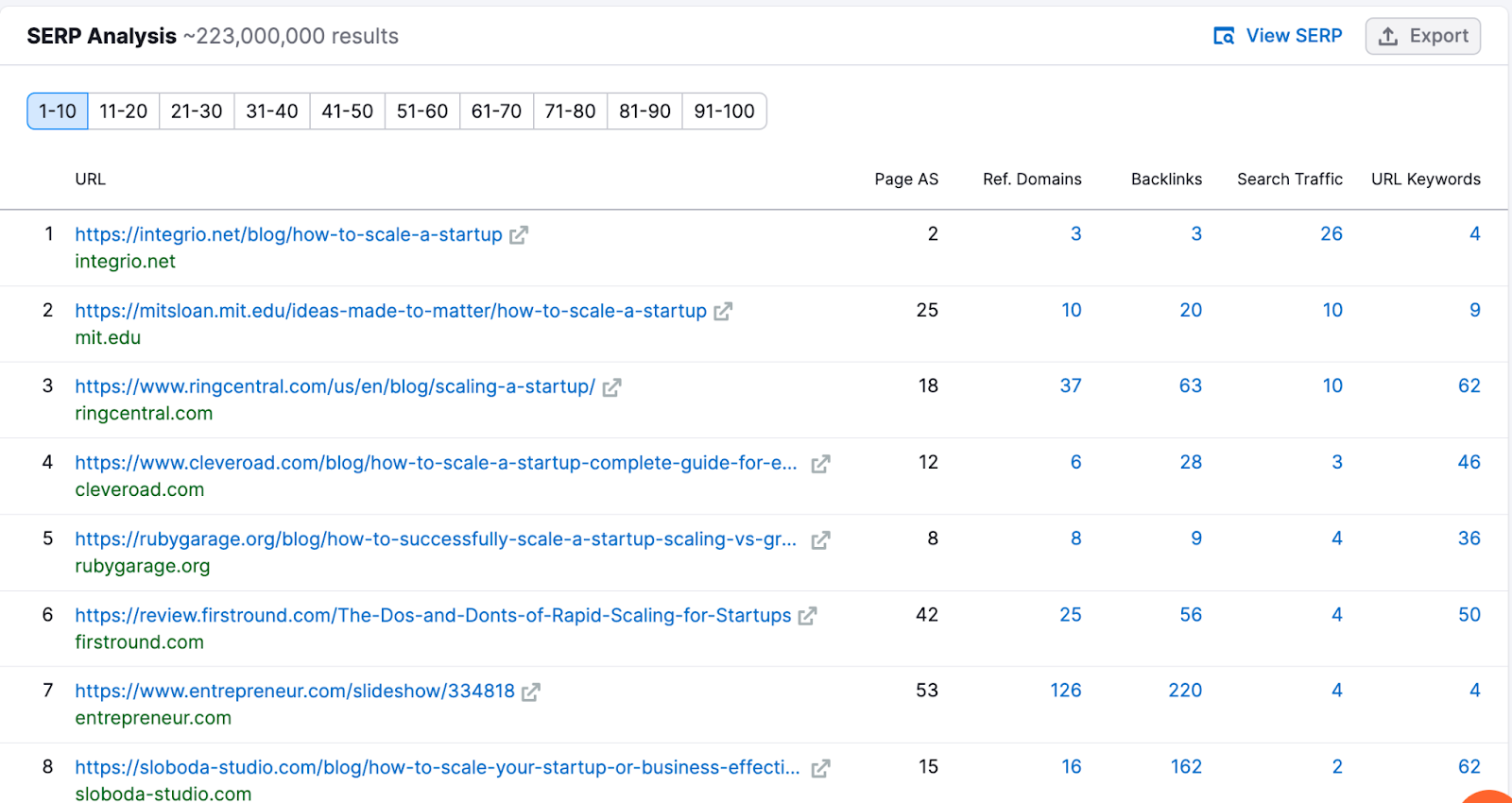
Researching your competition is an essential step in determining the ideal blog post length. Analyze the blogs of your competitors and see what types of content they're creating. Look at the length of their blog posts, the format, and the types of topics they're covering. This will give you an idea of what's working for them and what's not. You can use tools like SEMrush or Ahrefs to analyze your competitors' content and identify gaps in the market that you can fill with your own unique perspective. For instance, if you notice that your competitors are creating short, concise blog posts, you may want to consider creating longer, more in-depth content that provides more value to your readers.
Step 3: Choose a Blog Post Length Based on Your Content Type and Goals
Once you've defined your goals and researched your competition, it's time to choose a blog post length that works for you. The ideal length of a blog post varies depending on the type of content and the goals you're trying to achieve. For example, if you're writing a listicle or a product review, a shorter length of around 500-700 words may be sufficient. However, if you're writing a comprehensive guide or an in-depth analysis, a longer length of 1,500-2,500 words may be more appropriate. Consider the following general guidelines for different types of content: listicles and product reviews (500-700 words), how-to guides and tutorials (1,000-1,500 words), comprehensive guides and e-books (2,000-5,000 words).
Step 4: Optimize Your Blog Post for SEO to Improve Search Engine Rankings
Optimizing your blog post for SEO is crucial to improve your search engine rankings and drive organic traffic to your website. This includes using relevant keywords, meta descriptions, and optimizing images. Use tools like Google Keyword Planner or SEMrush to find the best keywords for your content and include them strategically throughout your blog post. Additionally, make sure your meta description is compelling and accurately summarizes your content, and optimize your images by using descriptive alt tags and compressing them to reduce file size.
Step 5: Edit and Refine Your Blog Post to Ensure Clarity and Conciseness
Once you've written your blog post, it's essential to edit and refine it to ensure clarity and conciseness. Read your content out loud to identify any awkward phrasing or sentences that are hard to follow. Use simple language and avoid jargon or technical terms that may confuse your readers. Additionally, use headings and subheadings to break up your content and make it easier to scan. Finally, proofread your content multiple times to catch any spelling or grammar errors that may have slipped through.
Step 6: Use Analytics to Track Performance and Adjust Blog Post Length as Needed
Finally, use analytics to track the performance of your blog post and adjust the length as needed. Use tools like Google Analytics to track metrics such as page views, bounce rate, and time on page. If you find that your readers are dropping off after a certain point, you may need to adjust the length of your blog post to keep them engaged. Additionally, use A/B testing to compare the performance of different blog post lengths and formats, and adjust your strategy accordingly.
Frequently Asked Questions:
Q: What is the ideal length of a blog post?
A: The ideal length of a blog post varies depending on the type of content and the goals you're trying to achieve. However, general guidelines suggest that listicles and product reviews should be around 500-700 words, how-to guides and tutorials should be around 1,000-1,500 words, and comprehensive guides and e-books should be around 2,000-5,000 words.
Q: How do I optimize my blog post for SEO?
A: Optimizing your blog post for SEO includes using relevant keywords, meta descriptions, and optimizing images. Use tools like Google Keyword Planner or SEMrush to find the best keywords for your content and include them strategically throughout your blog post.
Q: How do I track the performance of my blog post?
A: Use analytics tools like Google Analytics to track metrics such as page views, bounce rate, and time on page. Additionally, use A/B testing to compare the performance of different blog post lengths and formats, and adjust your strategy accordingly.
How Long Should A Blog Post Be? Ideal Length For SEO

How Long Should a Blog Post Be? Ideal Length For SEO
How Long Should A Blog Post Be For SEO, Traffic & Engagement?

How Long Should a Blog Post Be for SEO, Traffic & Engagement?
How Long Should A Blog Post Be? Best Length For SEO In 2025
How Long Should A Blog Post Be? Best Length For SEO In 2025